Following a bruising 61-run defeat at the hands of arch-rivals India, Pakistan captain Salman Ali Agha has called for calm, urging his side to look past the scoreboard. With a must-win clash against Namibia looming, the skipper is reframing the tournament as a fresh start, insisting that the “real” World Cup begins once they secure their Super Eight berth.
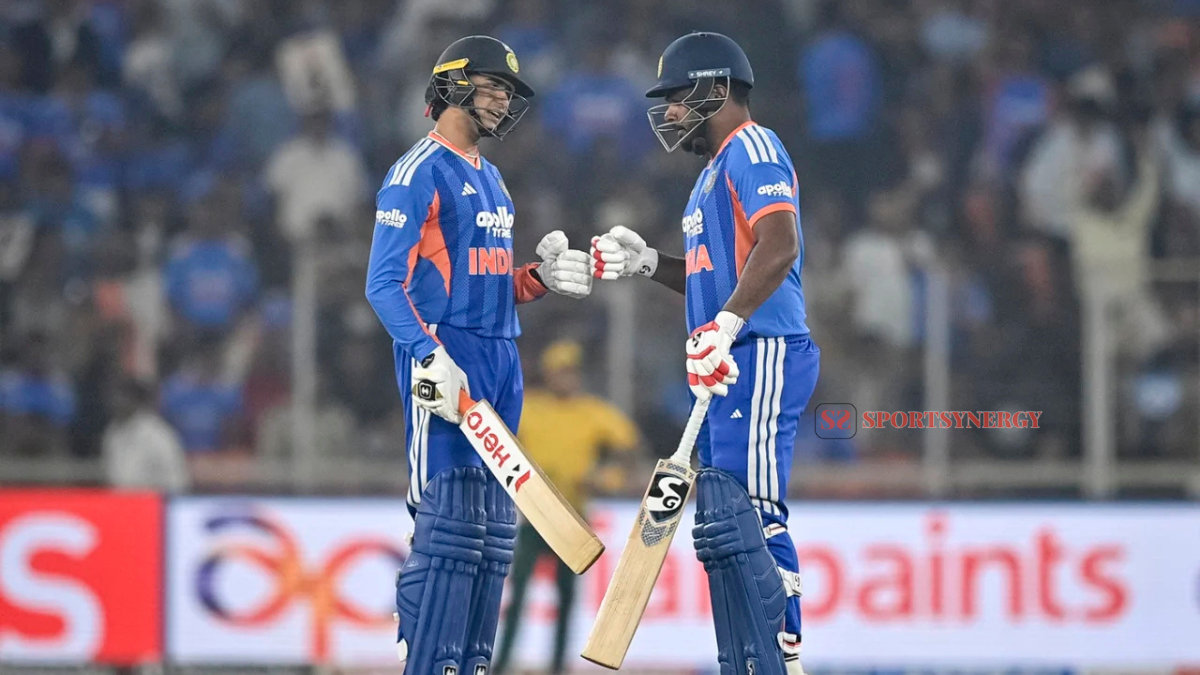
The Premadasa Stadium in Colombo was a sea of blue and green on Sunday, but by the end of the night, only one side was celebrating. India’s clinical performance, headlined by Ishan Kishan’s explosive 77, left Pakistan reeling at 114 all out. However, amidst the debris of a heavy loss, Salman Ali Agha stood firm, choosing to focus on the long-term trajectory rather than the immediate sting of the result.
The Spin Gamble That Faltered
Winning the toss and choosing to bowl, Pakistan leaned heavily on a record-equaling tactical play, delivering 18 overs of spin in a single innings. While the strategy aimed to exploit a “tacky” surface, India’s batters—particularly Kishan—managed to find the ropes with regularity.
“We believed in our spinners; they’ve been our strength for six months,” Agha reflected in the post-match presentation. “But they had an off day. Execution was missing in key moments.” Despite early breakthroughs, including a golden duck for Abhishek Sharma, India’s middle order consolidated effectively to post a formidable 175/7.
Powerplay Woes and the Batting Collapse
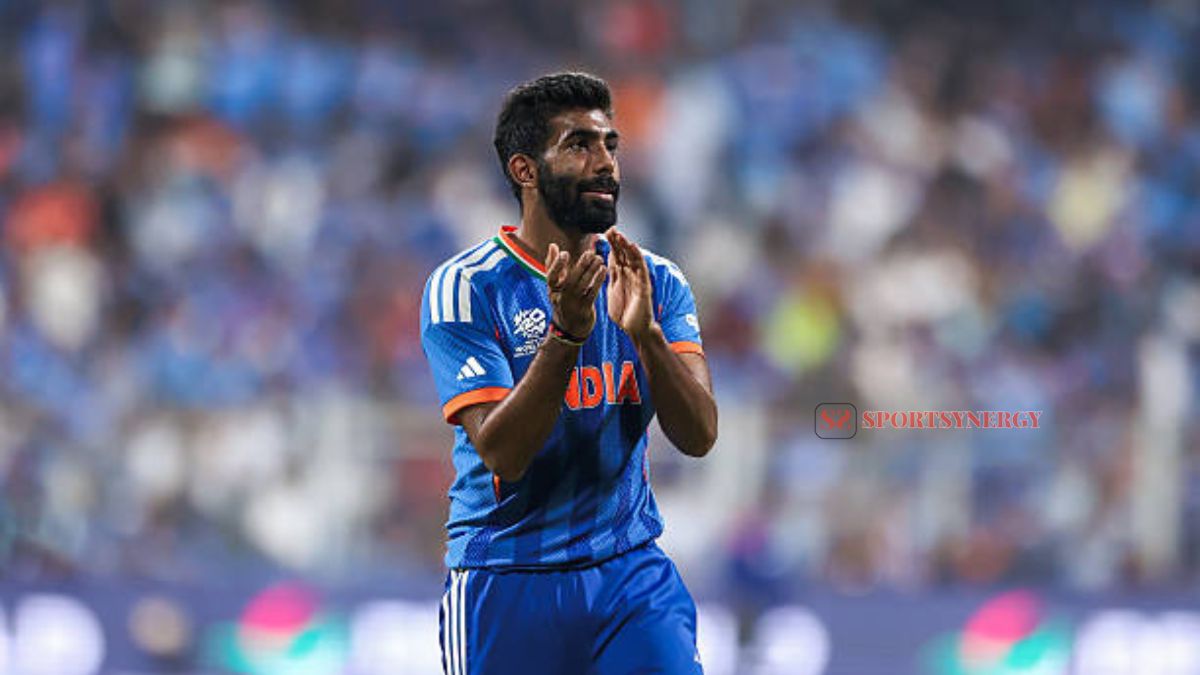
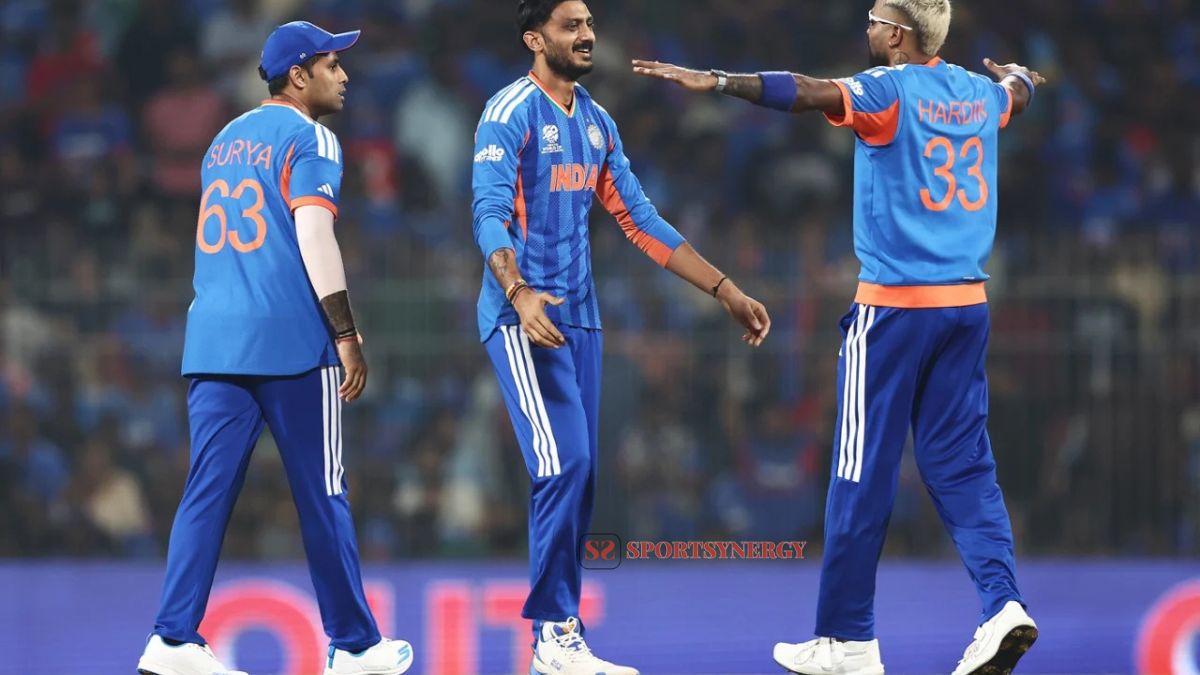
Pakistan’s chase never truly found its rhythm, derailed almost instantly by India’s pace attack. Hardik Pandya and Jasprit Bumrah tore through the top order, reducing the Men in Green to a staggering 34/4 within the first six overs. For Agha, this was the defining phase of the match.
The captain admitted that losing three or four wickets in the Powerplay makes any T20 chase a mountainous task. While Usman Khan offered some resistance with a top score of 44, the lack of substantial partnerships meant Pakistan fell well short of the target. Agha himself fell cheaply to Bumrah, an exit he described as a moment where he “lost his shape” against the world’s best fast bowler.
Emotions, Rivalry, and the Handshake Debate
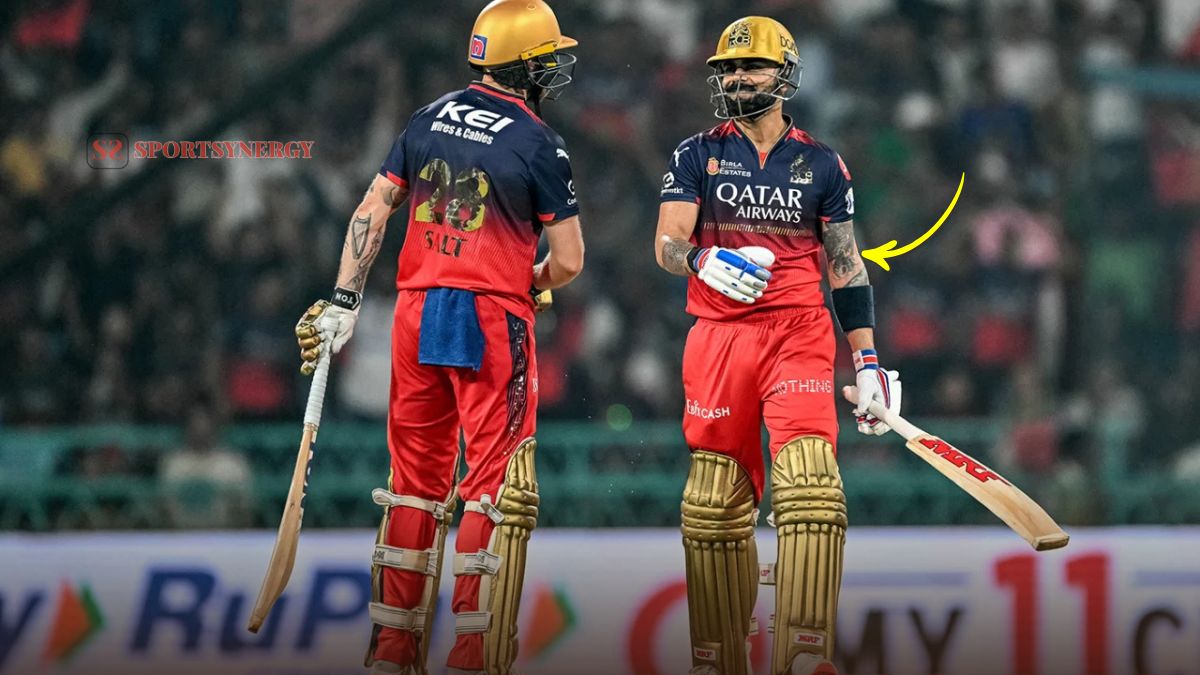
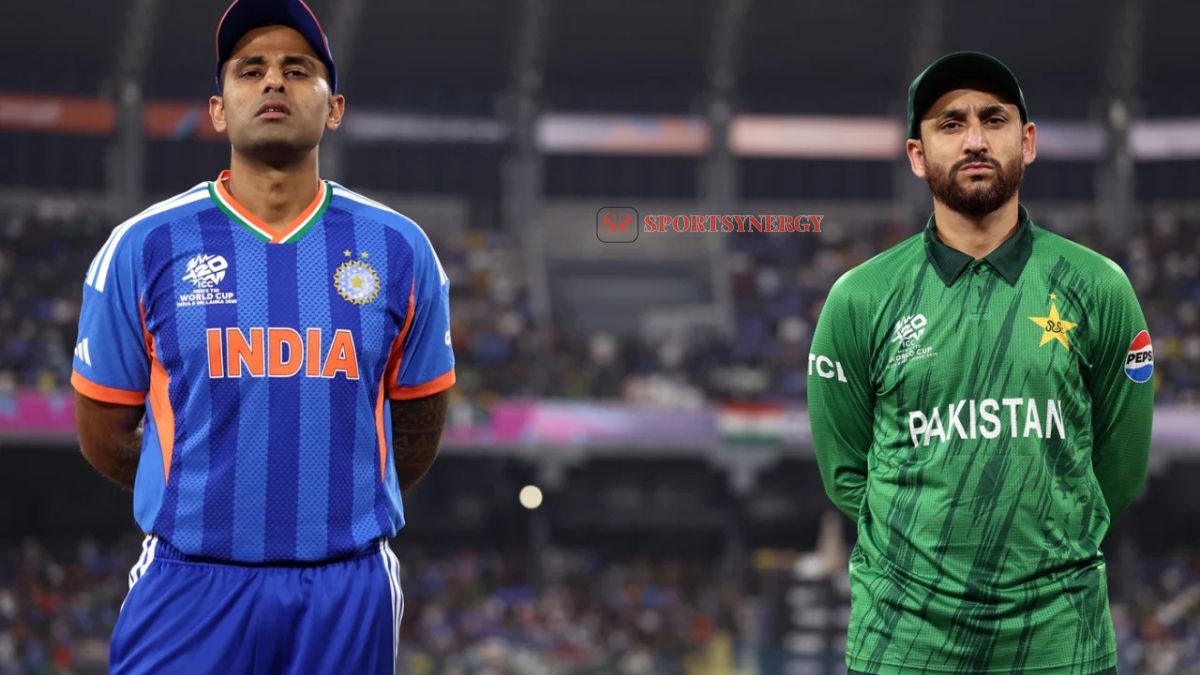
As always with an India-Pakistan encounter, the subplots were as intense as the cricket. The match was played against a backdrop of lingering diplomatic tensions, highlighted by the absence of a pre-match handshake between captains Suryakumar Yadav and Salman Ali Agha.
“In these kinds of games, emotions are always going to be high,” Agha noted with his trademark poise. He emphasized that as professional cricketers, his team must “gather themselves quickly” and rise above the external noise. His calm demeanor throughout the press conference suggested a leader determined not to let one defeat define his team’s identity.
Expert View: The Tactical Reset
Analysts have pointed out that while the defeat was heavy, Pakistan’s “spin-heavy” identity shouldn’t be discarded. The decision to bowl 18 overs of spin equaled a tournament record set by Pakistan themselves in 2012. The issue wasn’t the strategy, but the length and line against an Indian side that has become increasingly adept at handling slow bowling on turning tracks.
The tactical shift now moves toward Namibia. Experts suggest Pakistan needs a more balanced attack to ensure they don’t become predictable. With India now safely into the Super Eight, the pressure is entirely on Pakistan to prove they belong in the tournament’s “second phase.”
Fan Perspective: The Hope for a Rematch
For the fans, the loss is a bitter pill, but the tournament structure offers a glimmer of hope. If Pakistan defeats Namibia and clears the group hurdles, the two giants could meet again in the semi-finals or the final. This “second chance” narrative is exactly what Agha is tapping into with his “new tournament” comments.
The Pakistani supporters remain vocal, with many taking to social media to echo Agha’s call for perspective. While the 8-1 World Cup record in favor of India is a daunting statistic, the belief remains that on their day, this Pakistan side can beat anyone.
The Namibia Must-Win: A New Beginning
The “bigger picture” for Pakistan is simple: win or go home. Their final group-stage game against Namibia is no longer just a fixture; it is a knockout match. A victory guarantees them a spot in the Super Eight, where the points reset and the tournament effectively starts over.
“We need to win that game and qualify,” Agha stated. “Then it’s a new tournament start again.” This mindset is crucial for a team that historically thrives on “cornered tiger” energy. The captain’s focus is on ensuring the scars from Colombo don’t travel with the team to the next venue.
Conclusion: Leadership Under Fire
Salman Ali Agha’s captaincy is being tested in the world’s most intense cricketing crucible. By choosing to look at the “bigger picture,” he is shielding his players from the immediate fallout of the India loss. Whether this strategy pays off will depend entirely on their performance against Namibia. For now, the Pakistan camp remains focused, resilient, and eyeing a path back to redemption.