Under the lights in Kandy, two proud cricketing nations meet with very different moods.
One side carries rhythm and home support. The other arrives with urgency and something to prove.
When the Australia national cricket team take on the Sri Lanka national cricket team in Group B of the ICC Men’s T20 World Cup, it will be more than just another league fixture — it could shape the direction of both campaigns.
The Group B Equation: Different Roads, Same Destination
Sri Lanka enter this contest unbeaten. Playing at home has suited them — not just tactically, but emotionally. Their batting unit has found tempo early in games, and their bowlers have defended totals with clarity.
Australia’s journey has been less comfortable.
A strong opening performance was followed by a setback that exposed familiar concerns: middle-order fragility and inconsistency under pressure. In a short tournament, there is little time to regroup. This game effectively becomes must-win territory for the former champions.
The margins are tight. Net run rate calculations hover in the background. But the simplest truth remains — win, and control your destiny. Lose, and depend on others.
Pallekele: Beauty, Bounce and a Hint of Spin
The Pallekele International Cricket Stadium has often rewarded positive cricket.
The pitch typically offers true bounce early, encouraging stroke-makers to trust their shots. Powerplay overs here can be decisive. Teams that capitalise in the first six overs tend to dictate the tempo.
As the game progresses, subtle changes creep in. The surface can slow marginally, bringing spinners into play and forcing batters to adjust their pace.
Expect captains to think carefully at the toss. Bat first and apply scoreboard pressure? Or chase under dew with clarity of target? Both strategies carry risk.
Australia: Searching for Authority
Australia’s squad remains stacked with experience, but form has flickered rather than flowed.
The top order needs stability. Too often in recent matches, early wickets have forced consolidation instead of controlled aggression. In T20 cricket, hesitation can be costly.
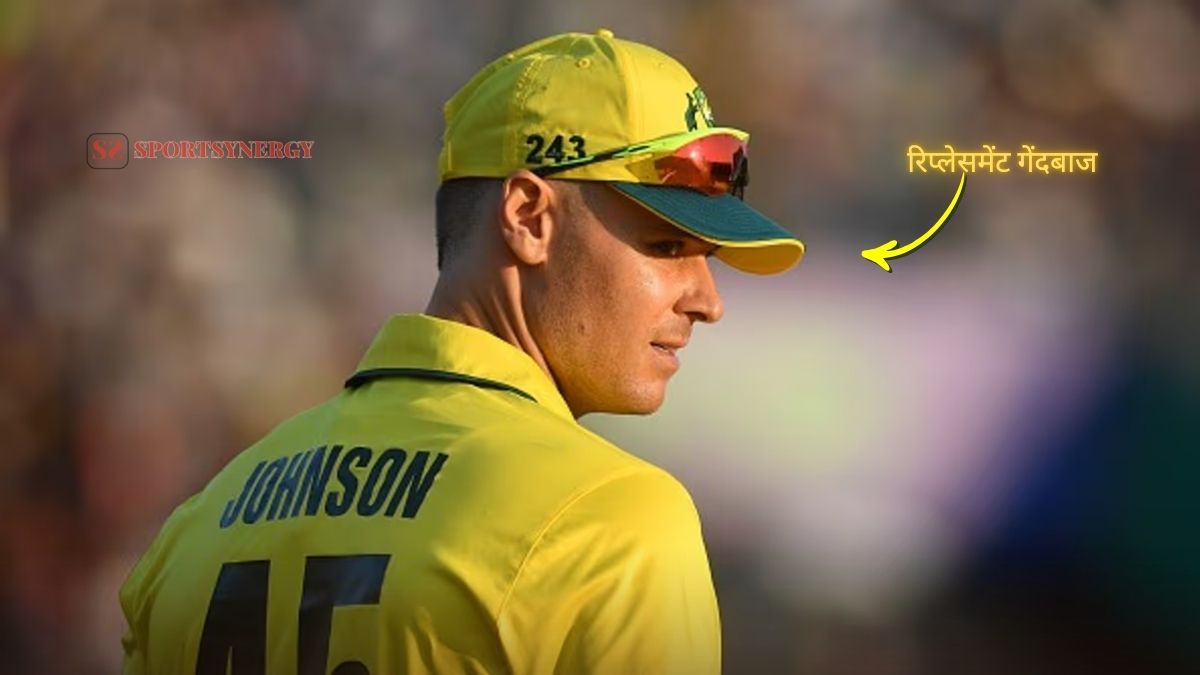
There is also the matter of personnel shifts. Injury concerns have reshaped the balance of the XI, requiring tactical recalibration. Senior players must now shoulder added responsibility — not only in performance but in tone-setting.
This is a side that knows how to navigate World Cups. Yet reputation alone will not win this fixture.
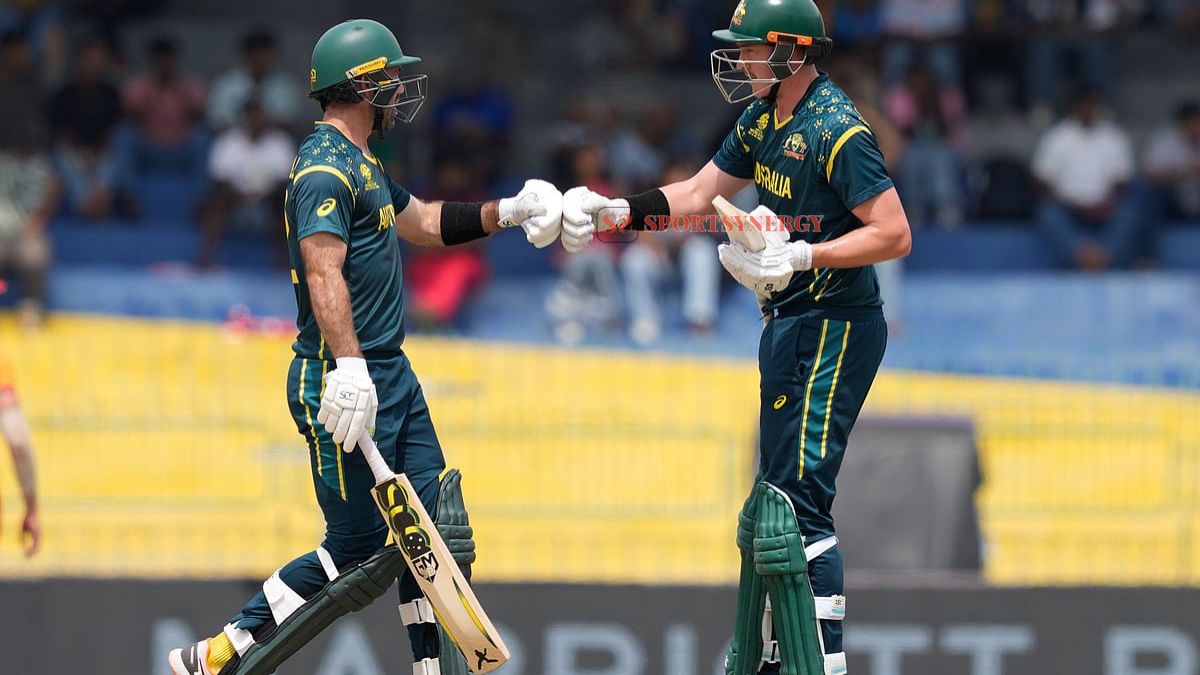
If Australia are to reassert themselves, their power hitters must combine restraint with precision — building partnerships before launching late.
Sri Lanka: Riding the Wave at Home
Sri Lanka’s confidence stems from clarity of roles.
Their top order has shown intent without recklessness. Middle-order batters have accelerated smartly. And crucially, their bowlers have executed plans with discipline.
Spin will be central again. On surfaces that offer even modest assistance, Sri Lanka’s slower bowlers can dictate pace and force mistakes. If they control the middle overs, they will tilt the contest in their favour.
Beyond tactics lies emotion.
Playing a global tournament at home adds weight — but also energy. The crowd in Kandy will not be quiet spectators. Every boundary, every breakthrough, will echo.
And in T20 cricket, atmosphere matters.
Key Battles That Could Decide the Night
Powerplay Control
Whichever team wins the first six overs — with bat or ball — gains immediate leverage. Australia need early momentum; Sri Lanka will aim to disrupt rhythm quickly.
Spin vs Middle Order
If Sri Lanka’s spinners settle, Australia’s middle order must resist panic. Smart strike rotation will be as important as big shots.
Death Overs Discipline
In high-scoring conditions, execution in the final four overs often defines outcomes. Yorkers, slower balls and field placements must be precise.
Pressure: A Familiar Companion
For Australia, the pressure is external and immediate. Analysts question consistency. Fans expect response.
For Sri Lanka, pressure is quieter but no less intense. Expectation grows with each win. Home advantage can quickly become obligation.
The psychological battle may prove as significant as the tactical one.
T20 cricket rewards bravery — but it punishes carelessness. The side that balances both will likely prevail.
What This Means for the Tournament
A Sri Lankan victory would almost guarantee progression to the Super Eight stage and reinforce their status as genuine contenders.
An Australian win would reopen the group dramatically, restoring belief and shifting the narrative from uncertainty to resurgence.
Either result reshapes Group B.
In tournaments of this scale, momentum can be more valuable than margin. One strong performance can ignite belief that carries into knockouts.
The Human Element Behind the Contest
Beyond statistics and scenarios, this is a clash of cricketing cultures.
Australia bring hardened tournament pedigree. Sri Lanka bring flair, adaptability and home-ground emotion.
Young players on both sides are experiencing defining moments in their careers. Senior professionals understand what is at stake — not just qualification, but legacy.
That blend of youth and experience often produces compelling cricket.
Final Word: Expect Intensity, Not Caution
This is not a fixture suited to passive cricket.
Australia must attack. Sri Lanka will not retreat.
Under the Kandy lights, in front of a charged crowd, the contest promises urgency from the first delivery.
Group stages often feel procedural. This one does not.
By the end of the night, one team will move forward with momentum. The other will face uncomfortable questions.
That is the beauty — and brutality — of World Cup cricket.