Three games into their campaign, Ireland find themselves at a familiar crossroads — under scrutiny, but not under doubt.
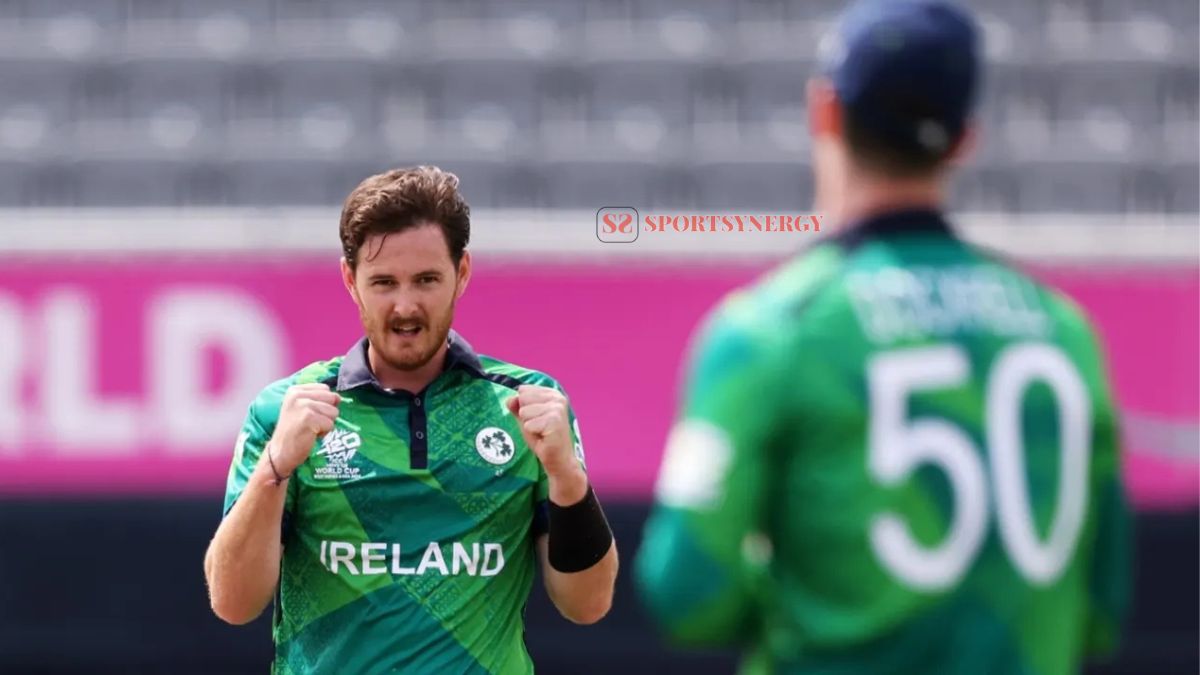
While results have fluctuated, belief inside the dressing room has not. And according to Mark Adair, Ireland are not in this tournament to justify their place — they are here to compete.
At the ICC Men’s T20 World Cup, that mindset could make all the difference.
A Campaign Tested Early
Ireland’s tournament began with stern examinations. Drawn into a competitive group, they faced established heavyweights and quickly discovered how thin the margins can be at global events.
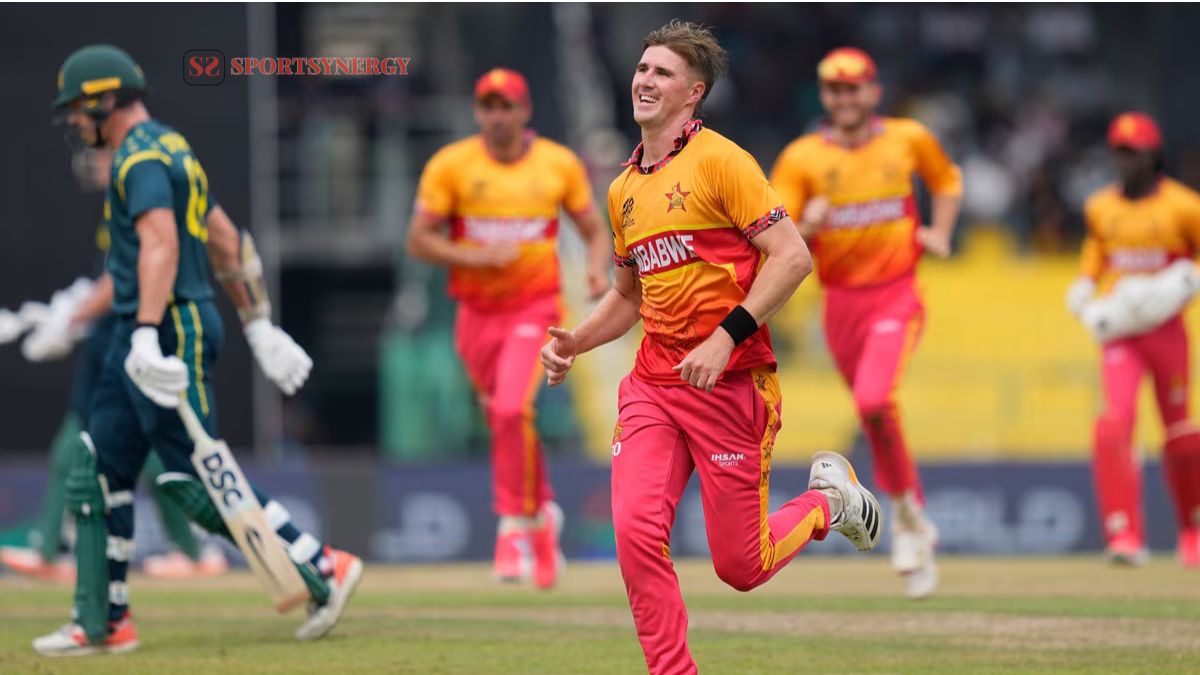
A difficult outing against Australia left them chasing the game from the outset. Batting first under pressure in another fixture, they struggled to build sustained partnerships. The loss of captain Paul Stirling to injury only complicated matters, forcing the squad to reshuffle leadership and recalibrate roles mid-tournament.
For a team often labelled as “dangerous underdogs,” this was a moment that could have spiralled.
Instead, it sharpened their resolve.
Adair’s Calm but Firm Stance
Speaking ahead of a crucial group fixture, Adair articulated a belief that reflects Ireland’s evolution in international cricket: this team does not need external validation.
Ireland have been Full Members for nearly a decade. They have beaten major sides in global tournaments. They have produced players who thrive in franchise leagues and bilateral series alike.
The days of surprise packages and fairytale narratives, Adair implied, should give way to something more grounded — professional expectation.
It was not defiance. It was conviction.
The Statement Win That Changed the Mood
If words set the tone, performance reinforced it.
Ireland responded emphatically in their next outing, producing one of the most complete displays of the tournament. The batting unit finally clicked, constructing their highest total of this World Cup.
At the centre of it was stand-in captain Lorcan Tucker, whose unbeaten 90-plus anchored the innings with poise and acceleration. Around him, Ireland’s middle order played with clarity — rotating strike early, then launching late.
The final overs were ruthless. Clean striking, smart running, and calculated aggression pushed the total beyond 230 — a psychological blow before the opposition had even begun their chase.
With the ball, Ireland were disciplined. New-ball pressure forced mistakes. The spinners tightened the grip. Fielders backed it all up with energy.
It wasn’t just a win. It was a reminder.
From Plucky Outsiders to Established Competitors
Ireland’s journey in T20 cricket has been steady rather than spectacular.
Since their breakthrough performances in earlier World Cups, they have worked to build depth — not just moments. The squad now blends experienced internationals with fearless younger players comfortable on big stages.
Adair himself embodies that transition. Once viewed primarily as a promising seamer, he has developed into a dependable all-round contributor, capable of influencing games with both bat and ball.
That growth mirrors the team’s own identity shift. Ireland no longer measure success purely by upsetting bigger teams. They measure it by consistency.
And consistency demands belief.
Handling Pressure Without Drama
Every World Cup magnifies narrative.
For teams outside the traditional powerhouses, every defeat invites questions about competitiveness. Every victory invites surprise.
Adair’s point challenges that cycle.
Ireland feel the pressure — of course they do. But it is internal pressure: to execute plans, to win key moments, to qualify for the next stage. It is not pressure to defend their legitimacy.
That psychological distinction matters.
When a team stops playing to silence critics and starts playing to express its strengths, performances often follow.
Leadership Shift and Dressing Room Unity
The injury to Stirling could have destabilised the group. Instead, it appeared to galvanise it.
Tucker’s calm presence as captain reinforced stability. Senior players absorbed additional responsibility. Younger members were encouraged to play with freedom rather than fear.
In global tournaments, cohesion often separates competitive sides from overwhelmed ones. Ireland’s response to adversity suggests a dressing room aligned in purpose.
Adair’s comments were not an isolated opinion. They echoed a collective mindset.
What Lies Ahead
Ireland’s path to the Super Eight stage remains narrow but achievable.
Net run rate calculations and fixture permutations will matter. So will composure in decisive moments.
If they advance, it will strengthen the argument that Ireland are no longer tournament participants filling out the schedule — they are competitors shaping it.
If they fall short, the broader message still stands: their presence is earned, not granted.
Why This Moment Feels Different
What distinguishes this campaign is tone.
In previous tournaments, Ireland often entered as hopeful disruptors. This time, they speak and act like a side expecting to belong.
Adair’s assertion that Ireland don’t need to justify themselves is less about rhetoric and more about maturity.
International cricket has expanded. The gap between established and emerging nations continues to shrink. Ireland’s players train, travel and compete in the same professional ecosystems as their counterparts.
Belief is no longer aspirational. It is foundational.
Conclusion: Competing, Not Explaining
The T20 World Cup thrives on unpredictability.
For Ireland, unpredictability once defined their story. Now, stability might.
Mark Adair’s words capture a team that understands its journey and respects its growth. They are not here to make up numbers. They are not here to chase approval.
They are here to compete — on their terms.
And in a tournament shaped by nerve and clarity, that mindset may prove more powerful than any headline.