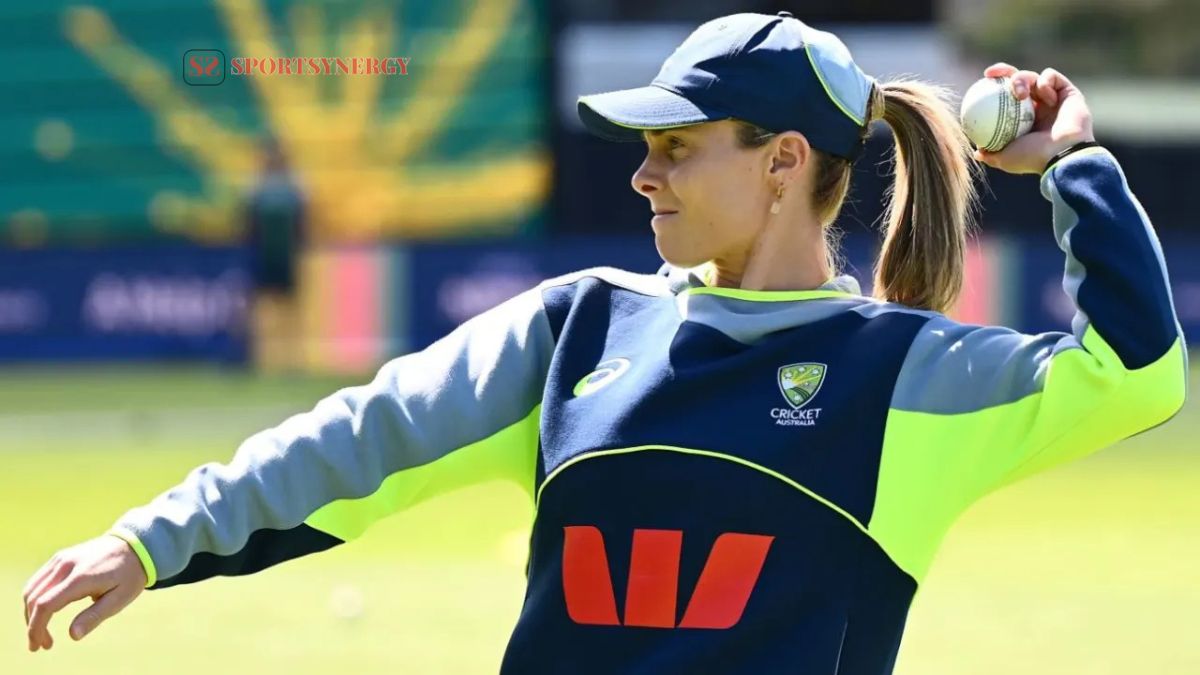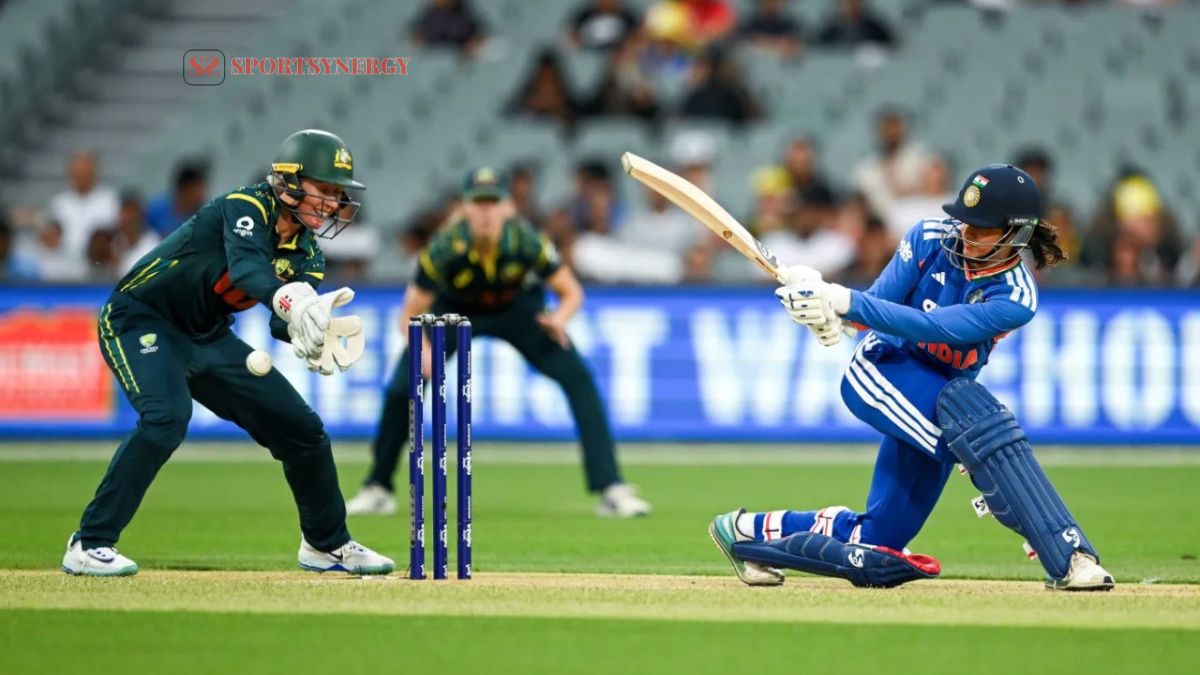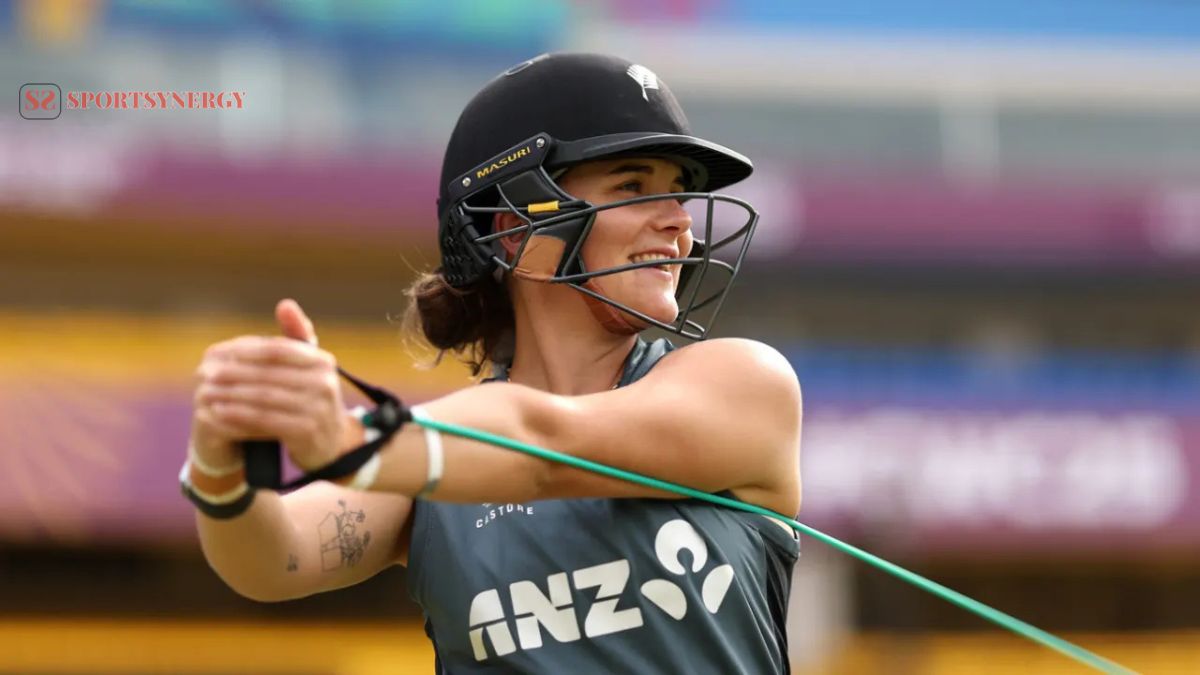
It’s official. The Sophie Devine era has ended, and the Amelia Kerr era has begun.
In a move that had been whispered about in cricketing circles for months but still feels like a seismic shift, New Zealand Cricket (NZC) confirmed on February 15, 2026, that the 25-year-old all-rounder would take over as the White Ferns’ all-format captain.
For a nation that has grown accustomed to seeing Sophie Devine leading from the front with bat in hand and fire in her eyes, this transition marks the end of a golden chapter. But as one door closes, another swings wide open—and through it walks a player who has been preparing for this moment since she was old enough to hold a cricket bat.
Amelia Kerr isn’t just inheriting a team; she is inheriting a legacy at a pivotal moment. The White Ferns are the reigning T20 world champions. The next three years promise a T20 World Cup defense in England, the inaugural T20 Champions Trophy in Sri Lanka, and the small matter of an Olympic debut in Los Angeles.
No pressure, then.
Devine Passes the Torch After a Glittering Reign
To understand why this appointment matters so much, you have to look at who came before.
Sophie Devine stepping down from the captaincy following the 2025 ODI World Cup wasn’t just a retirement from leadership; it was the closing of a book. Under her watch, the White Ferns transformed from a competitive side into world champions. That unforgettable T20 World Cup triumph in 4 2024 wasn’t just a victory; it was the crowning moment of a career defined by passion and grit.
Devine isn’t disappearing entirely. She’ll continue to be available as a player in the T20 format, offering the kind of experience and mentorship that can’t be coached. But from now on, when tough decisions need to be made on the field, all eyes will turn to the youngster with the sharp cricket brain and the even sharper leg-spin.
From Teenage Sensation to the Face of New Zealand Cricket
If you’ve followed women’s cricket over the last decade, the name Amelia Kerr won’t surprise you. What might surprise you is just how much ground she has covered in such a short time.
She was just 16 years old when she pulled on the Silver Fern for the first time back in 2016. Back then, she was the kid with the bright smile and the fearless attitude. It didn’t take long for the cricketing world to realize she was something special.
In 2018, a then-17-year-old Kerr walked onto the field against Ireland and did something no one had ever done before. She smashed 232 not out—becoming the youngest player, male or female, to score a double-century in international cricket. It was the kind of innings that leaves statisticians scrambling for the record books.
But it was 2024 that truly announced her arrival as a global superstar. At the T20 World Cup, she was simply unstoppable. With the ball, she spun a web around the world’s best batters. With the bat, she provided the calm in the storm. By the time the trophy was lifted, Kerr had collected both the Player of the Match in the final and the Player of the Tournament award. Unsurprisingly, she was later named the ICC Women’s Cricketer of the Year.
Now, with 172 international appearances under her belt, she steps into the biggest role of her career.
“It’s About People”: Kerr’s Leadership Philosophy
Standing in front of the media for the first time as the permanent captain, Kerr could have leaned on cricketing clichés. She could have talked about process and performance and all the usual jargon.
Instead, she did something far more telling. She turned to a Māori proverb.
“He aha te mea nui o te ao? He Tāngata, He Tāngata, He Tāngata.”
What is the most important thing in the world? It is people, it is people, it is people.
For Kerr, leadership isn’t just about tactics and team selections. It’s about connection. It’s about creating an environment where players feel valued, supported, and confident enough to express themselves.
“This is a massive privilege,” Kerr said, her voice steady but her excitement unmistakable. “But it doesn’t change who I am. I’m still a teammate first. My job is to build belief in the dressing room and make sure everyone feels they belong.”
It’s a philosophy that reflects both her maturity and her upbringing in a cricketing family. Having entered the international arena as a teenager, she understands the nerves and pressures that young players face. She also commands the respect of the senior group, including legends like Suzie Bates.
Head Coach Ben Sawyer didn’t mince words when asked about her readiness.
“Amelia has a tactical brain that is just different,” Sawyer said. “We’ve seen it in domestic cricket with Wellington Blaze. She thinks two steps ahead. But more than that, she brings people with her. That’s a rare gift.”
What Lies Ahead: World Cups and an Olympic Dream
The immediate schedule gives Kerr a gentle runway to settle into the role. Later this month, the White Ferns tour Zimbabwe—a series that offers the perfect opportunity to experiment and build relationships.
But the real tests are coming, and they’re coming fast.
Later this year, New Zealand will travel to England to defend their T20 World Cup title. England on their home soil, with the crowd against you, is about as tough as it gets. For Kerr, it will be the first major examination of her captaincy credentials.
Beyond that, the fixtures read like a wish list for any cricketer:
- 2026: T20 World Cup defense (England)
- 2027: Inaugural T20 Champions Trophy (Sri Lanka)
- 2028: Olympic Games (Los Angeles) – cricket’s historic return to the Games
- 2028: Another T20 World Cup
Managing this workload while maintaining her own performance as the team’s premier spinner and a key batter will be Kerr’s biggest challenge. The “captaincy tax” is real, and it has weighed down even the greatest players. But those who know Kerr best point to her resilience—forged partly through her openness about mental health struggles in professional sport—as evidence that she is built differently.
Why This Appointment Was Inevitable
Let’s be honest: there was never really another candidate.
When Sophie Devine decided to step aside, the conversation started and ended with Amelia Kerr. She is at the peak of her powers, respected across the cricketing world, and already a leader within the group. Her experience in global franchise leagues like the WPL (where she plays for Mumbai Indians) and The Hundred has exposed her to different conditions, different players, and different pressure situations.
By handing her the reins now, New Zealand Cricket has given her a three-year runway before the Olympics—a chance to shape the squad in her image, blood young talent, and build a system that can compete consistently at the highest level.
The Final Word
There is something special about watching a young player you’ve followed for years step into the spotlight and claim it as their own.
For New Zealand fans, Amelia Kerr has been that player since she was a teenager smashing double-hundreds and spinning out batters twice her age. Now, she stands at the helm of the White Ferns, entrusted with the task of defending a World Cup and leading her country into a new era of women’s cricket.